
The independence of the Election Commission, collective decision-making among its members, transparent voter-registration procedures, accountability of local electoral authorities and meaningful access to election-related records are interconnected elements of a credible electoral system. The question, therefore, is not merely whether electoral rolls should be purified, but whether the means adopted to achieve that objective are lawful, proportionate and consistent with the constitutional protection of electoral participation.
Elections are the sine qua non (an essential requirement) of every democracy. Following independence, India, as a newly established republic, guaranteed universal adult suffrage at a time when the vast majority of its population lived in abject poverty.
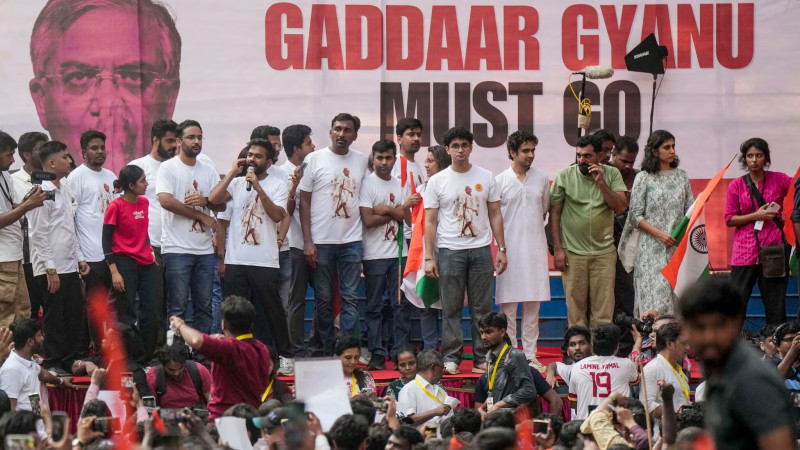
The Election Commission of India (ECI), established as a permanent constitutional body, was entrusted with the responsibility of conducting elections and safeguarding their integrity. In establishing this institution, the framers of the Constitution were guided by three cardinal principles: equality, independence and representation. Since its inception, the Commission has enjoyed considerable public trust. However, recent developments have prompted citizens to question its functioning, institutional independence and commitment to electoral fairness.
The Issue: Questions Regarding the ECI’s Decision-Making Process
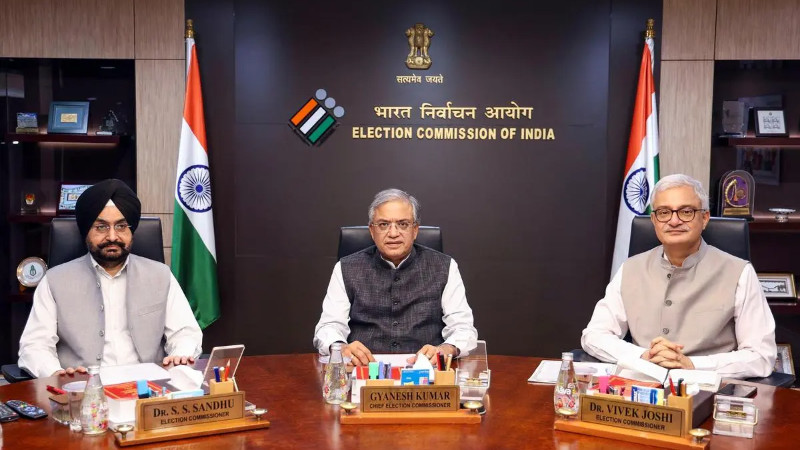
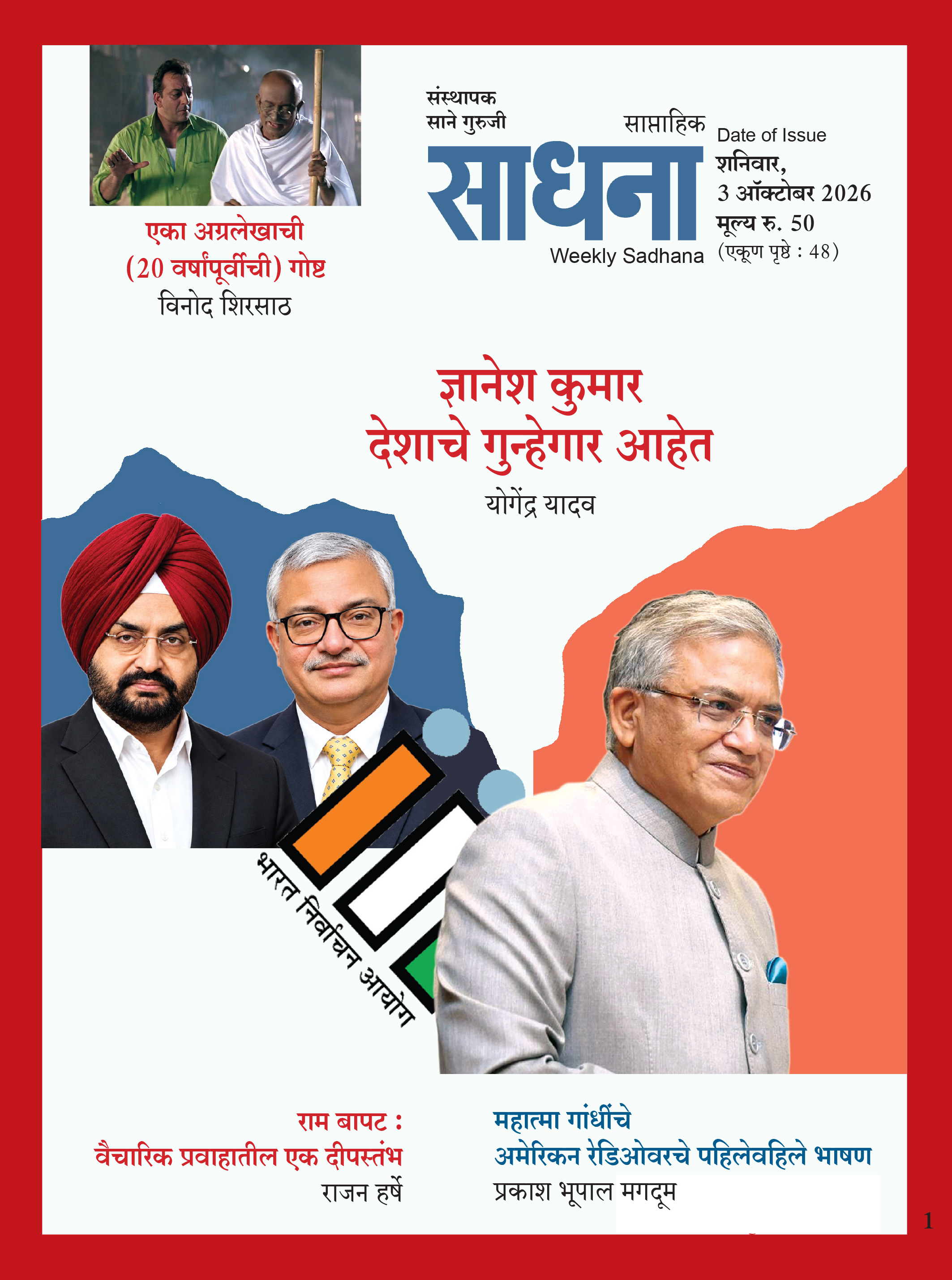
An investigation by The Indian Express raised questions about the ECI’s internal decision-making process. It reported that Election Commissioners Sukhbir Singh Sandhu and Vivek Joshi had recorded at least 14 objections over ten months.
The objections reportedly alleged that certain decisions and instructions had been issued without their knowledge or approval, notwithstanding the statutory framework governing the conduct of the Commission’s business.
A petition before the Hon’ble Supreme Court has sought a writ of quo warranto, calling upon the Chief Election Commissioner to disclose the authority under which he allegedly acted, and continues to act, without the concurrence of the other Election Commissioners. The petition has also sought a declaration that the Special Intensive Revision (SIR), together with all actions, decisions, directions and consequential measures undertaken pursuant to it, is void ab initio (void from the beginning) for want of lawful authority.
Appointment of the Chief Election Commissioner: The Question of Independence
To understand the constitutional concerns surrounding the present developments, it is necessary to revisit the legal framework governing the appointment of the Chief Election Commissioner (CEC).
In Anoop Baranwal v. Union of India (2023), the Supreme Court sought to safeguard the independence of the Election Commission. The Court directed that appointments be made on the recommendation of a committee comprising the Prime Minister, the Leader of the Opposition in the Lok Sabha and the Chief Justice of India. The inclusion of the Chief Justice provided an independent constitutional check against executive dominance.
Subsequently, the Chief Election Commissioner and Other Election Commissioners Act, 2023, replaced the Chief Justice of India with a Union Cabinet Minister nominated by the Prime Minister. This arrangement gives the executive two representatives on the selection committee, compared with one representative from the Opposition.
Although the arrangement prescribed in Anoop Baranwal was expressly interim in nature, the judgment underscored the need for an appointment mechanism that would protect the Commission from executive control.
The central constitutional question, therefore, is whether a selection committee in which the executive enjoys a majority sufficiently safeguards the independence of the Election Commission contemplated under Article 324 of the Constitution.
Consensus Among Election Commissioners: Collective Responsibility Under Article 324
Returning to the present controversy, questions have emerged regarding the extent to which the decisions of the Election Commission reflect collective deliberation and institutional consensus.
Article 324 of the Constitution provides for an Election Commission consisting of the Chief Election Commissioner and such number of other Election Commissioners as the President may appoint. For several decades after independence, the Commission functioned under a single Chief Election Commissioner. Since 1993, however, it has operated as a multi-member body.
During the tenure of Chief Election Commissioner T. N. Seshan, the Supreme Court upheld the constitutional validity of appointing additional Election Commissioners. The Court clarified that the Chief Election Commissioner was primus inter pares, meaning first among equals, and that the Commission’s decisions were not subject to the unilateral control of the CEC. The institutional purpose of a multi-member Commission is to ensure collective deliberation and prevent the concentration of electoral authority in a single individual.
Section 18 of the Chief Election Commissioner and Other Election Commissioners Act, 2023, provides the statutory framework for the conduct of the Commission’s business. It recognises the Commission as a multi-member body whose business must be conducted in accordance with the prescribed procedure.
Accordingly, the issue is not merely whether the Commission has the authority to take a particular decision, but whether that authority has been exercised through the legally prescribed process. Institutional independence must be accompanied by internal accountability, transparency and respect for collective decision-making.
Voter Registration: From Institutional Responsibility to Individual Burden
Since its establishment, the Election Commission has faced several challenges, one of the foremost being the registration of eligible voters.
The constitutional vision of universal adult suffrage requires electoral authorities to facilitate the enrolment of eligible citizens rather than place disproportionate responsibility on individuals to secure their inclusion in electoral rolls.
In the context of the ongoing Special Intensive Revision (SIR) of electoral rolls, concerns have arisen that this approach is being reversed. Voters may be required to complete additional formalities and establish their eligibility through documentary evidence, with failure to do so potentially resulting in exclusion from the electoral rolls.
Large-scale exclusions from draft electoral rolls have raised serious concerns regarding transparency, procedural fairness and the protection of electoral rights. Judicial intervention has been sought to ensure the disclosure of excluded names and the reasons for their omission.
 Form 6: Additional Requirements and the Risk of Exclusion
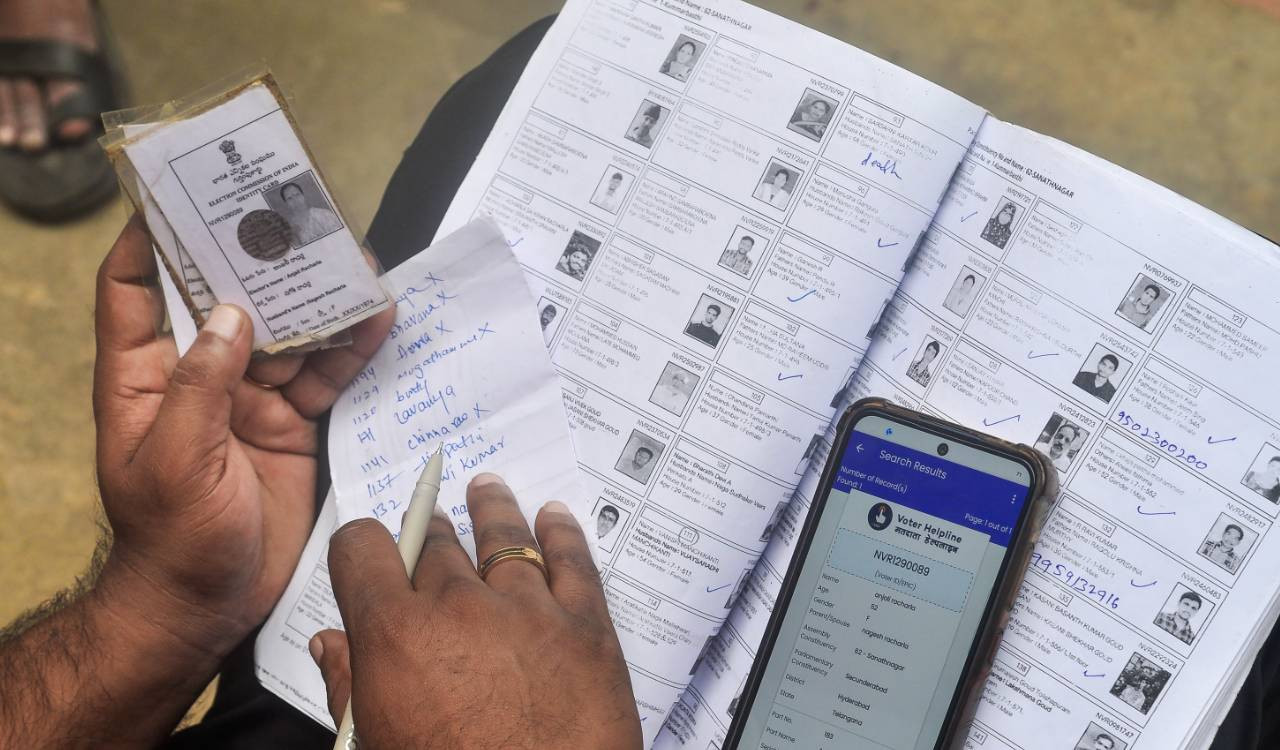
Form 6, prescribed under the Registration of Electors Rules, 1960, is used by individuals seeking inclusion in the electoral roll.
The additional declaration reportedly requiring applicants to establish a linkage with previous SIR electoral rolls through their own records or those of their parents or grandparents has raised significant legal and constitutional concerns.
Four principal issues arise: legality, chances of exclusion of eligible voters, additional eligibility barrier and disproportionate burden of first time voter.
Concerns have also been raised regarding the Supreme Court’s clarification that it had not approved the modifications to Form 6 attributed to it by the Commission.
Role of Local Electoral Authorities: Statutory Duties and Administrative Constraints
The Representation of the People Act, 1950, assigns specific responsibilities to electoral authorities for the preparation, revision and maintenance of electoral rolls.
Section 13B provides for the appointment of Electoral Registration Officers (EROs), who are responsible for the preparation and revision of electoral rolls. Section 22 empowers the competent electoral authorities to correct entries and delete names on specified grounds, subject to the applicable statutory procedure.
Reports that EROs were unable to make changes through the ECINET portal have raised concerns about whether technical or administrative restrictions impeded the effective discharge of their statutory duties.
If officers entrusted with maintaining electoral rolls are unable to make necessary corrections or exercise their lawful powers effectively, the resulting difficulties may affect both the accuracy of the electoral rolls and the rights of eligible voters.
Form 7: Objections to Inclusion and the Risk of Wrongful Deletion
Form 7 provides the prescribed mechanism for raising objections to the inclusion of names in electoral rolls and seeking the deletion of existing entries on legally recognised grounds.
An objection must be considered in accordance with the applicable statutory requirements, including verification by the competent electoral authorities. The person raising an objection must substantiate the grounds on which deletion is sought, and false declarations may attract penalties under the applicable law.
The reported removal of the earlier cap on the number of Form 7 applications that a single applicant could submit has raised concerns about the possibility of mass objections and inadequate scrutiny. Reports of eligible voters’ names being wrongfully deleted have further intensified these concerns.
The critical question is whether the removal of the cap has facilitated targeted objections or the deliberate deletion of eligible voters’ names without adequate verification.
Also Read: A Pendulum Swing: From Freedom Of Press To Its Control (Adv. Prachi Patil)
Access to Election-Related Documents: Transparency and Accountability
The Centre amended the rules governing public access to election-related records, including CCTV footage, video recordings and webcasting footage.
Under the amended framework, certain election-related records may be retained for only 45 days after the declaration of results, unless an election petition is filed.
These restrictions have raised concerns about transparency, public accountability and the ability of citizens, researchers and other stakeholders to scrutinise electoral processes.
Access to election-related records is important for verifying compliance with electoral procedures, examining allegations of irregularities and ensuring that electoral authorities remain accountable.
Although the protection of sensitive information and the prevention of misuse of records are legitimate considerations, restrictions on public access must be balanced against the need for independent scrutiny.
SIR 2002–03 Versus SIR 2025–26: Key Differences and Concerns
A comparison between the earlier Special Intensive Revision guidelines of 2002–03 and the more recent SIR exercise highlights several concerns regarding the allocation of responsibility and the verification of electoral eligibility.
1. The burden of enrolment shifted from enumerators to voters.
2. The 2003 guidelines stated that determining citizenship was not the enumerator’s responsibility, whereas the 2025 SIR required documentary verification of eligibility.
3. Different requirements for voters listed before and after 2003 raised concerns about unequal treatment.
4. The 2003 guidelines required house-to-house verification and supervisory checks, whose adequacy in the 2025 exercise was questioned.
5. Earlier, the burden of proving an objection to an elector’s citizenship rested on the objector; the 2025 process placed a greater burden on electors.
Removal of the Chief Election Commissioner: Constitutional Safeguards
The growing demands for the removal of the Chief Election Commissioner must also be examined against the strong constitutional and statutory safeguards attached to the office. The removal of the Chief Election Commissioner is therefore subject to a stringent process. Article 324(5) of the Constitution along with Section 11(2) of the Chief Election Commission and Other Election Commissioners (Appointment, Conditions of Service and Term of Office) Act, 2023 states the process for removal of the Chief Election Commissioner from office.
To initiate the removal of the CEC, members of both Houses must bring a notice of motion explicitly alleging misbehaviour or incapacity. To be admitted, an impeachment motion needs to be signed by at least 100 MPs in the Lok Sabha and 50 in the Rajya Sabha. If the motion is admitted, an enquiry is conducted to examine the validity of the charges. This involves forming a committee to investigate evidence of misbehaviour or incapacity.
Justice Ujjal Bhuyan made some strong constitutional observations worth taking note of in an address to law students at a function at NALSAR University of Law, Hyderabad :-
1. To satisfy Article 14 which guarantees equality he raised question that Whether the verification and deletion process is fair, non-arbitrary and applied consistently.
2. Then against Article 326 which speaks of adult suffer-age Whether eligible adult citizens are effectively prevented from exercising their electoral rights.
3. whether electoral registration operates without impermissible discrimination on the grounds specified in the Article 325 which deals with One general electoral roll.
4. Whether deletion of existing entries complies with applicable procedural safeguards, including a reasonable opportunity of being heard to satisfy Section 22, Representation of the People Act, 1950.
5. In demand of free and fair elections Whether electoral-roll revision protects electoral integrity without excluding genuine, eligible.
The independence of the Election Commission, collective decision-making among its members, transparent voter-registration procedures, accountability of local electoral authorities and meaningful access to election-related records are interconnected elements of a credible electoral system.
The question, therefore, is not merely whether electoral rolls should be purified, but whether the means adopted to achieve that objective are lawful, proportionate and consistent with the constitutional protection of electoral participation.
- Adv. Prachi Patil
ppprachipatil19@gmail.com
(The writer is a practising lawyer at the Pune District Court and the Family Court, Shivajinagar)
Tags: election commission of India eci cec cheif election commissioner sir SIR form 6 form 7 voter list voting right Load More Tags
















Add Comment