
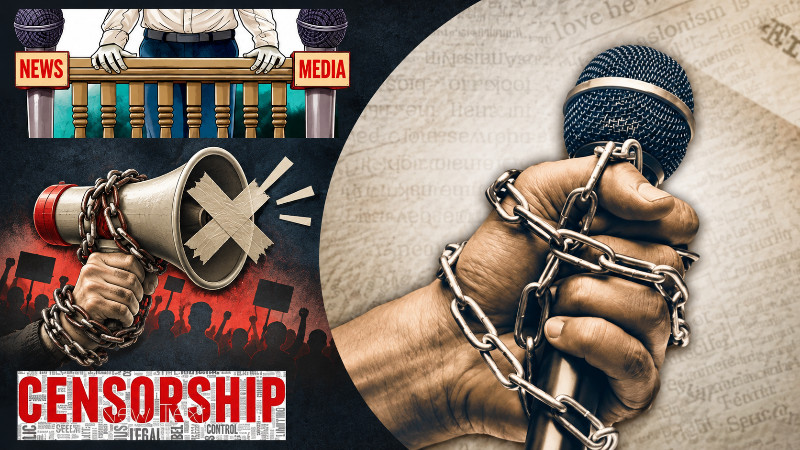
The Constitution of India provides a robust framework to prevent the arbitrary exercise of State power. However, the effectiveness of this framework ultimately depends upon the independence of institutions, adherence to the rule of law and the protection of fundamental rights. The lessons of the Emergency of 1975 remain relevant even today: democracy cannot survive merely through its formal structures if the freedoms and safeguards underlying those structures are weakened.
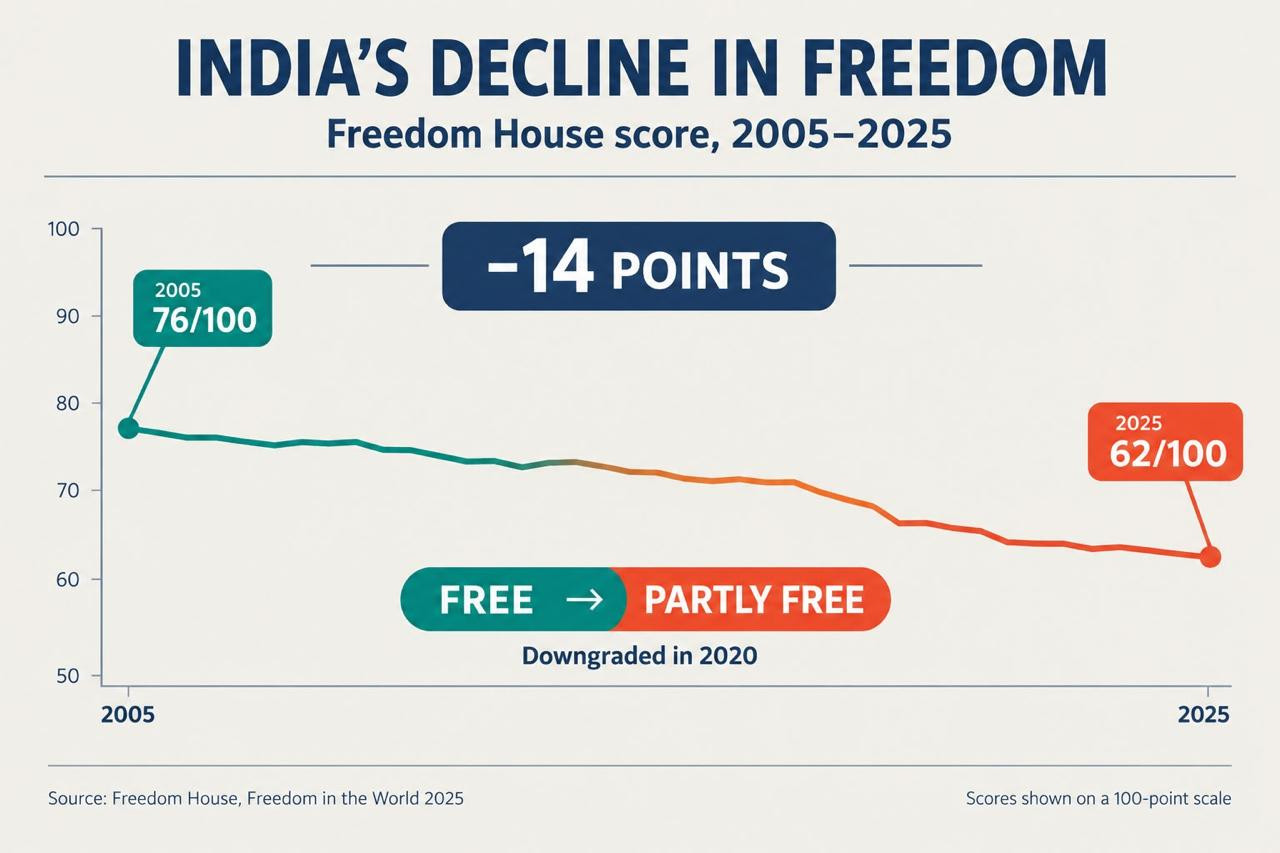
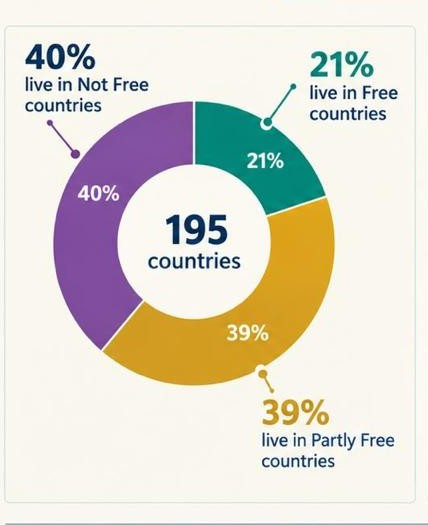
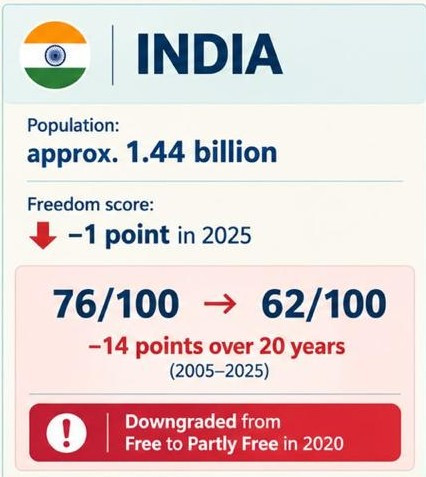
Freedom House’s “Freedom in the World 2026” report marks the twentieth consecutive year of declining global freedom, underscoring ongoing challenges to political rights and civil liberties. The report evaluates freedom in 195 countries and 13 territories in 2025.According to the report, India has been downgraded from a free country to a partly free country. India’s freedom score out of 100 has fallen from 76 to 62 between 2005 and 2025.
Such a downgrade in worldwide freedom is the outcome of repeated violence and armed conflicts, and excessive power given to the military coups that overpowered elected governments. Democratic institutions have also weakened because elections are manipulated and independent bodies, such as the judiciary and legislature, are attacked. Also, authoritarian governments misuse courts, police, and other state institutions to silence critics, target political opponents, and suppress people’s rights and freedoms.
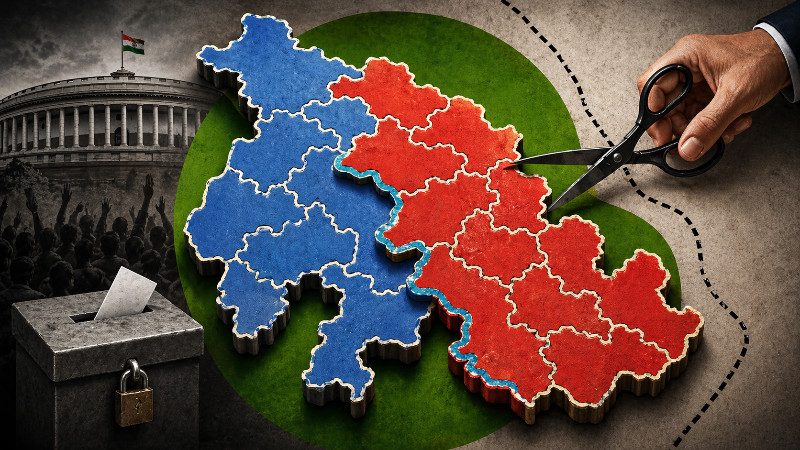
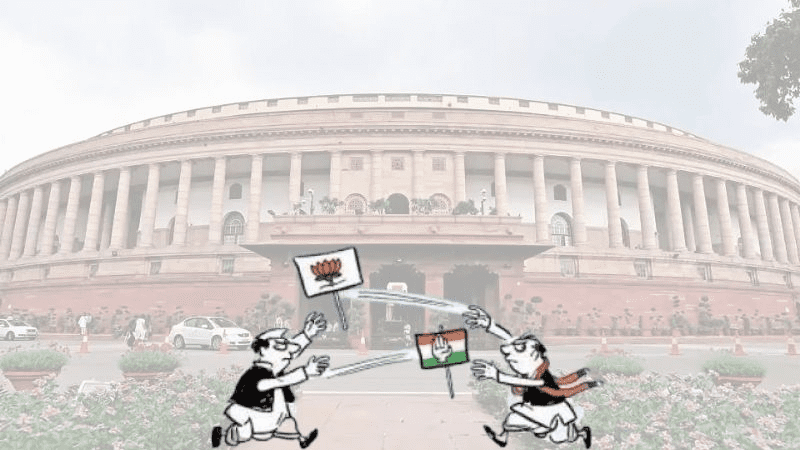
India, the world’s largest democracy, rests on the strength and independence of its democratic institutions, including free and fair elections, legislatures capable of exercising meaningful oversight over the executive, an independent judiciary, and effective anti-corruption agencies. These institutions ensure that governmental authority remains subject to constitutional limits and that those in power are answerable to the people and the law. However, the gradual deterioration of institutional independence, accountability, and effectiveness threatens the very foundations of constitutional democracy. Such institutional decline can facilitate the growth of authoritarian tendencies within an otherwise functioning democratic framework, where constitutional institutions continue to exist formally but may become progressively less effective in fulfilling their intended roles.
The Democracy Report of 2026- by V-DEM speaks of the unravelling of the democratic era. According to the report, India has experienced a gradual but systematic decline in democratic standards since 2009. It attributes this deterioration mainly to the policies and political approach of the ruling Bharatiya Janata Party (BJP) under Prime Minister Narendra Modi, highlighting growing restrictions on freedom of expression, declining media independence, harassment of journalists critical of the government, and increasing pressure on civil society organisations and political opposition. The report further classifies India as an electoral autocracy from 2017 onwards, indicating that although elections continue to take place, the broader conditions necessary for a fully functioning democracy have weakened.
 What, then, do these developments across the country signify? India continues to hold elections, Parliament functions, and the judiciary discharges its constitutional duties. Yet, the progressive erosion (gradual weakening) of civil liberties, freedom of expression, media independence, and political dissent raises serious concerns about the quality of its democracy. Democracy is not merely the existence of institutions but their ability to protect fundamental rights and hold those in power accountable. This progressive erosion of democracy is particularly evident in three critical areas: media freedom, freedom of expression, and the right to due process of law.
Attack on media freedom:
Media freedom is essential to democracy. It allows people to access independent information and hold those in power accountable. However, mainstream media often focuses on the achievements of the ruling party. Independent journalists also face threats and pressure for reporting critically. Internet shutdowns further restrict people’s access to information.
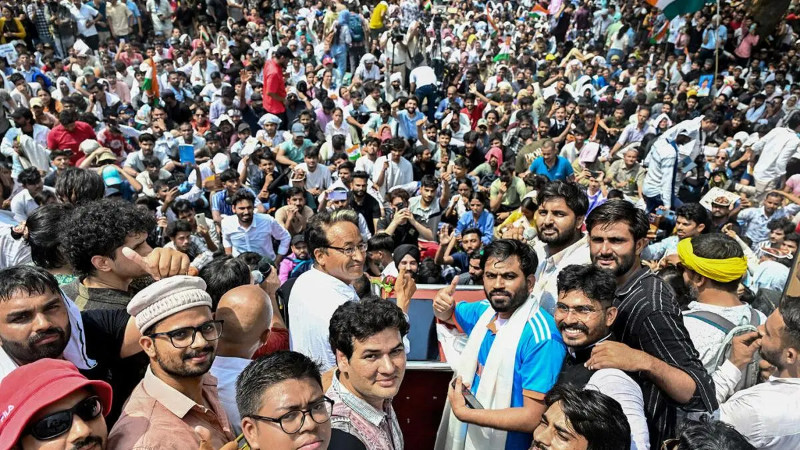
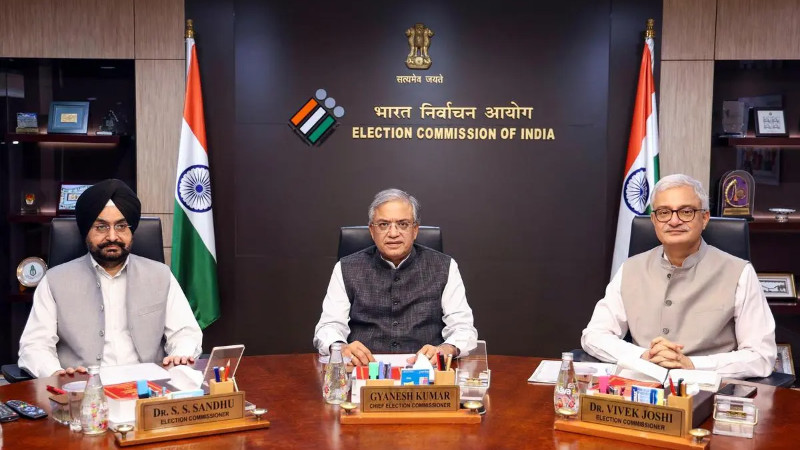
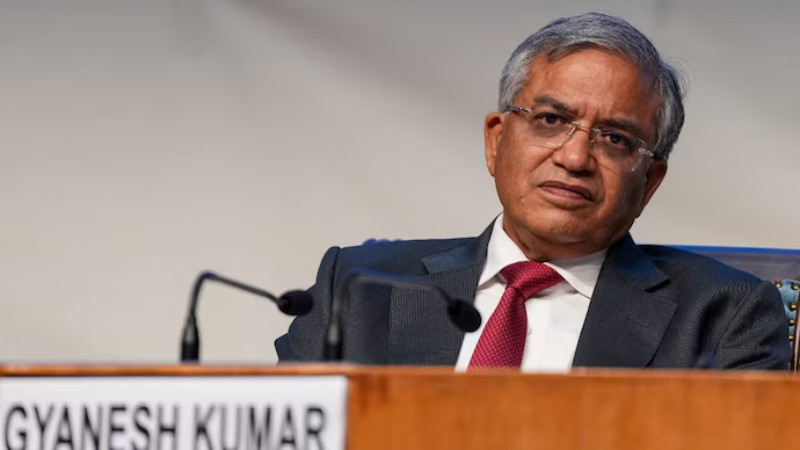
These concerns were seen during the July 2026 protests demanding the resignation of Union Education Minister Dharmendra Pradhan over examination paper leaks. Similar concerns arose during the October 2026 protests demanding the resignation of Chief Election Commissioner Gyanesh Kumar over alleged irregularities in electoral rolls. As per the reports, there have been restrictions on journalists covering these protests, including detentions, assaults, and obstruction of their work. Such incidents raise concerns about whether journalists can report freely on matters of public interest. When journalists are threatened and the coverage of protests is restricted, people lose access to different views. This weakens the media’s role as the fourth pillar of democracy and reduces public accountability.
Freedom in Global Context
Right to protest, dissent and freedom of expression:
The right to protest, express dissent and criticise the government is an essential feature of a democratic society. These rights flow from Articles 19(1)(a), 19(1)(b) and 19(1)(c) of the Constitution, which guarantee freedom of speech and expression, peaceful assembly and the right to form associations.
However, recent incidents involving protests in India have raised concerns about the space available for peaceful dissent. Police restrictions, detentions of demonstrators, preventive orders and limitations on public gatherings can discourage citizens from exercising these constitutional rights. Although the State has the authority to maintain public order, such powers must not be used to suppress legitimate and peaceful protests.
Also, reports of online posts, videos and content critical of government actions being blocked or removed raise serious concerns about digital censorship. Reports by The Indian Express indicate that nearly 1.95 lakh government-backed content-blocking orders were issued to Instagram, Facebook and YouTube between March and July 2026. Several media organisations and independent journalists have also reported the removal or restriction of posts and videos covering protests and police action.
 The due process of law:
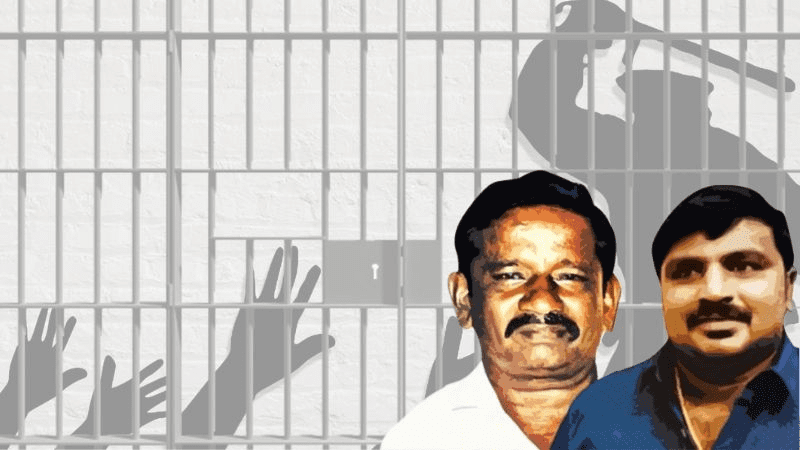
Due process is a fundamental pillar of the rule of law. It protects individuals from arbitrary deprivation of liberty. It guarantees a fair hearing before an impartial tribunal and a meaningful opportunity to appeal.
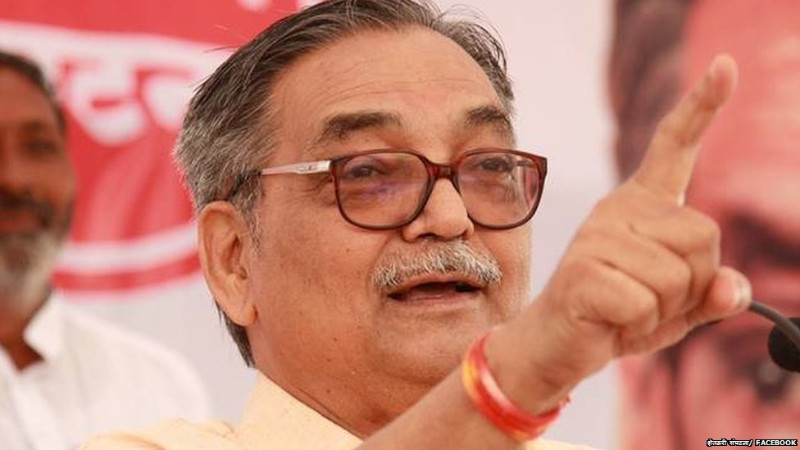
Also Read: The Curse of Democracy? by Vinay Hardikar
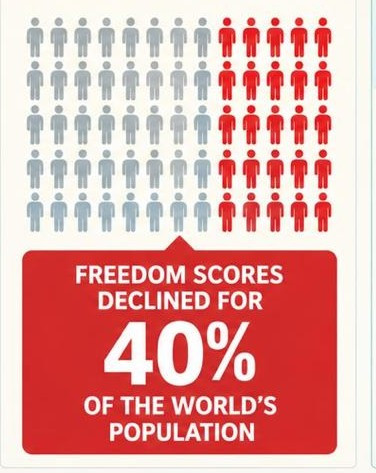
However, the global decline in freedom has also weakened the rights of defendants and detainees. Over the past two decades, two troubling trends have emerged. First, governments have increasingly sought control over courts, prosecutors and police forces. Second, criminal proceedings have been used to silence political dissent, particularly when those in power face political challenges. Such interference in the justice system is often seen in democracies experiencing institutional decline and in emerging authoritarian regimes.
In India, concerns have been raised regarding the use of stringent criminal laws, including the Unlawful Activities (Prevention) Act (UAPA), against activists, journalists, students and individuals expressing dissent. Prolonged pre-trial detention, delays in trials and restrictions on bail can result in individuals remaining behind bars for years without conviction.
 All the above-mentioned concerns are not entirely unfamiliar to India’s constitutional history. On 25 June 1975, a National Emergency was proclaimed under Article 352 of the Constitution, which continued until March 1977. The period witnessed restrictions on civil liberties, detention of political opponents, press censorship and significant changes to democratic institutions. In response, the 44th Constitutional Amendment Act, 1978 introduced important safeguards. It strengthened the conditions for proclaiming a National Emergency under Article 352 and ensured that the right to move courts for the enforcement of Articles 20 and 21 could not be suspended under Article 359, even during an Emergency.
Today, concerns over restrictions on free expression, shrinking civil society space, pressure on institutional independence and weakening accountability have led critics to describe the situation as an “undeclared emergency.” Although it is not legally equivalent to the Emergency of 1975, the comparison raises an important question: Are the safeguards introduced after 1975 still effective in preventing excessive concentration of power and protecting citizens against arbitrary State action?
The main question is not just whether Indian democracy is witnessing an Emergency-like situation, but whether constitutional safeguards like fundamental rights and the pillar institutions established-to prevent such situations are functioning properly or not.
India’s declining position in international assessments of freedom and democracy is not just a statistic figure. Here there is a great need for serious constitutional introspection. The strength of a democracy does not lie simply in conducting elections or maintaining constitutional institutions, but in ensuring that these institutions function independently, protect individual liberties and hold the government accountable.
The Constitution of India provides a robust framework to prevent the arbitrary exercise of State power. However, the effectiveness of this framework ultimately depends upon the independence of institutions, adherence to the rule of law and the protection of fundamental rights. The lessons of the Emergency of 1975 remain relevant even today: democracy cannot survive merely through its formal structures if the freedoms and safeguards underlying those structures are weakened.
As the world’s largest democracy, India has a constitutional responsibility not merely to preserve its democratic identity but also to demonstrate that democratic institutions can withstand political pressures and remain accountable to the people.
Also, the citizens, must remain vigilant, question the exercise of authority, demand accountability and resist the normalisation of violations of their constitutional rights. After all, a democracy remains meaningful only when its people are conscious of their rights and willing to defend them.
- Adv. Prachi Patil
ppprachipatil19@gmail.com
(The writer is a practising lawyer at the Pune District Court and the Family Court, Shivajinagar)
Sources / References:
Freedom House, Freedom in the World 2026: The Growing Shadow of Autocracy.
V-Dem Institute, Democracy Report 2026.
International IDEA, India – July 2026: Youth Protests and Minister’s Resignation.
Tags: कायदा अभिव्यक्ती स्वातंत्र्य गळचेपी सेन्सॉरशिप मुस्कटदाबी supression censorship freedom of expression erosion of process right to legal process tyranny oppression fundamental rights Load More Tags




Add Comment